How Different Countries Treat Powerful Women—and Why It Matters

Powerful women experience leadership differently depending on cultural and social context.
How different countries treat powerful women depends on cultural norms, legal protections, and social expectations. In some nations, female authority is normalized and respected; in others, it is conditional, constrained, or actively discouraged. Understanding these differences helps ambitious women navigate leadership, visibility, and safety when traveling or working globally.
Power is not universal—and for women, the difference is consequential.
From boardrooms to public life, some nations celebrate female authority, while others subtly—or overtly—limit it. Understanding how cultures, laws, and social norms shape what it means to be a powerful woman is essential for ambitious women who travel with purpose.
Some countries treat ambition as confidence. Others interpret it as threat. And in many, it is tolerated only when carefully contained. For women who move through the world with ambition, knowing how power is recognized—and where—is a critical form of preparation.
Power Is Contextual: How Culture Shapes Female Authority
Ambition, authority, and visibility are not universal concepts. A woman considered assertive in one country may be read as aggressive in another. Travel exposes women to the spectrum of cultural expectations and legal realities, making context as important as competence.
“Authority is culturally legible—or invisible—depending on where you are.”
The first step in navigating global power is recognizing that power is always local. How a woman is perceived, how her voice is heard, and how her leadership is respected depends on both culture and law.
As we explored in cities that reward bold women, ambition flourishes most where power is culturally recognized, not merely tolerated.
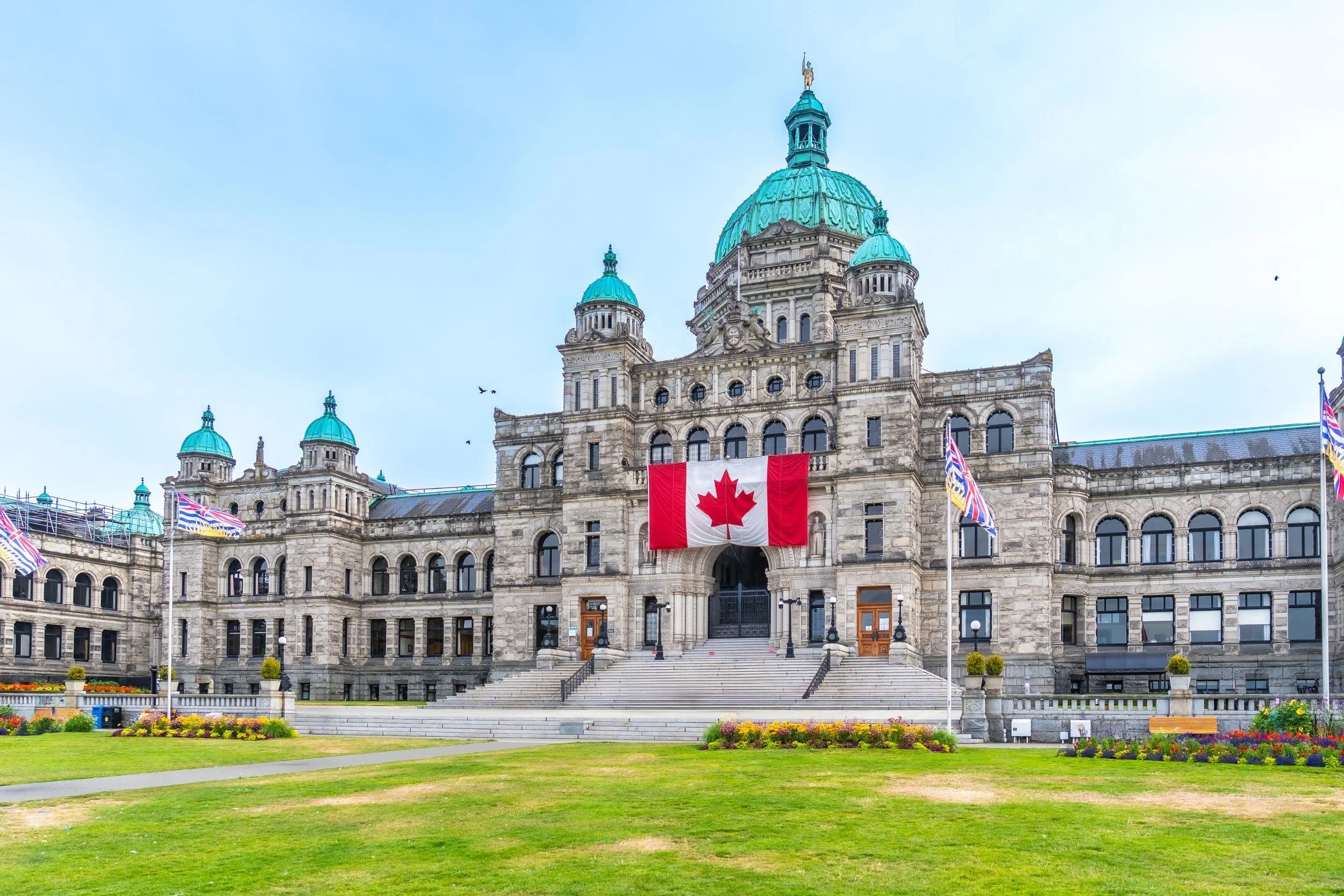
Legal protections shape women’s access to power—but culture determines how authority is recognized.
Legal Protections vs. Cultural Expectations
Some countries codify gender equality in law; others lag socially. But legal frameworks alone do not guarantee recognition or respect. Even in nations with strong protections, subtle norms can limit credibility, visibility, and influence.
Key insight:
Laws matter—but culture shapes interpretation.
Ambitious women need both awareness and adaptability.
For traveling women, this means preparation. Understanding the gap between what is legally allowed and what is socially accepted can prevent missteps and empower smarter engagement.
High-Respect Environments for Powerful Women

Cultural norms influence how women’s authority is perceived, accepted, or challenged worldwide.
Some countries actively elevate female authority, creating visible pathways for women to lead.
Examples: Norway, Sweden, New Zealand, Canada, Rwanda
Traits of high-respect environments:
Women in leadership are normalized, not exceptional
Policies support work-life balance and professional access
Cultural messaging reinforces that female authority is legitimate
Spotlight:
In Rwanda, women hold over 60% of parliamentary seats, signaling to citizens that political power is female-legible.
In these environments, traveling women can step into authority without constantly negotiating their legitimacy.

In some countries, women can attain leadership roles, but authority is often conditional—shaped by cultural expectations and close scrutiny.
Mixed or Conditional Environments
In other nations, women can rise—but under certain conditions or constraints.
Examples: Japan, Germany, UK, France
Characteristics:
Strong legal protections exist, but social hierarchies still matter
Leadership may require negotiation, indirect communication, or exceptional credentials
Recognition is conditional, often dependent on credentials or networks
Traveling women in these contexts benefit from observing local patterns, listening carefully, and strategically aligning ambition with cultural expectations.
Restrictive Environments
Some countries limit female authority, whether socially, culturally, or legally.
Examples: Saudi Arabia, Afghanistan, Pakistan
Traits:
Cultural, religious, or legal restrictions on visibility and autonomy
Leadership may be tolerated only in narrow spheres (education, NGOs)
Public ambition can carry social or reputational penalties
In these environments, safety—both physical and reputational—is inseparable from ambition. Traveling women must combine awareness with calculated visibility.

For ambitious women, understanding how power operates globally is essential to moving with intention.
Key Takeaways for Traveling Women
Study both laws and cultural norms before entering a country
Observe how female authority is recognized in public, corporate, and political spaces
Adapt communication styles without shrinking ambition
Build networks with local women leaders who understand the landscape
Recognize that ambition is global, but power is local
“Ambition is global, but power is local. How women are treated depends on where—and how—you step into it.”
Power Is Both Universal and Local
Ambitious women need a global perspective with local intelligence.
The ability to read cultural and legal dynamics while staying aligned with personal authority is a superpower.
Travel is not just movement—it is strategic positioning.
Knowing how different countries treat powerful women allows bold women to navigate, expand, and thrive without compromising their presence or ambition.
Because power does not emerge in a vacuum. It emerges where it is recognized—and where it is not made to apologize for itself.